
From Silence to Authorship
The Reason I JumpThis flow traces Naoki Higashida's movement from an isolating non-speaking state toward a written voice that can reach other people.
increasing Bearing strength in each event
 decreasing
Bearing strength in each eventdecreasingA World Without Words
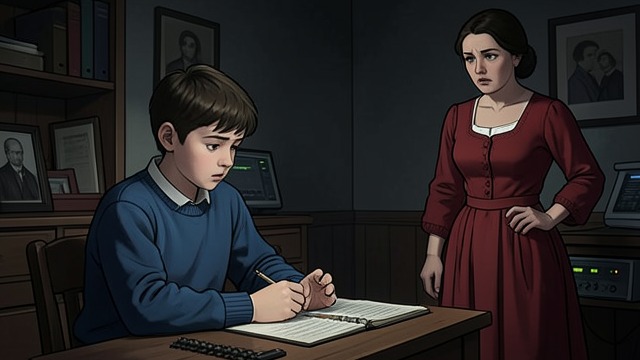
A World Without Words
Isolation
As a child, Naoki Higashida did not know why he struggled to act like other people. Speech could disappear just when he needed it, leaving him unable to share what he felt or wanted.
The cost of silence
He describes that condition as a kind of isolation, not an absence of thoughts or hopes. The difference between inner experience and outward expression becomes the central problem the book seeks to make visible.
A Handheld Beginning
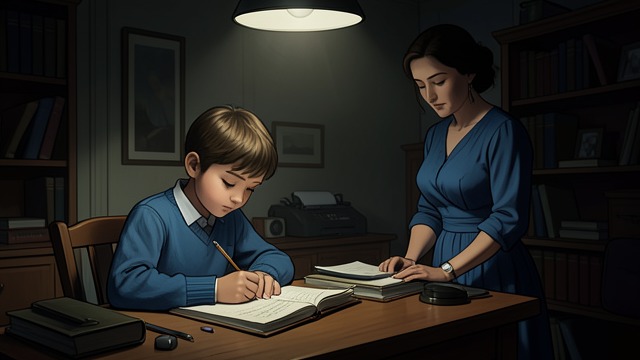
A Handheld Beginning
Learning with help
With his mother's support, Naoki Higashida began to form written words. At first, another person's help steadied the task that he could not yet manage alone.
A new route
The early writing mattered because it made communication possible without relying on speech. A difficult exercise became the first opening through which his private thoughts could reach another person.
The Alphabet Grid

The Alphabet Grid
A steadier tool
Naoki Higashida's mother devised an Alphabet grid so he could point to letters instead of writing each one by hand. The grid gave him a more manageable way to hold words in place.
Independent expression
With practice, he reached the point of indicating letters himself. The method offered more than a practical aid: it helped him communicate needs, intentions, and an inner life that spoken language had concealed.
Thoughts Made Public
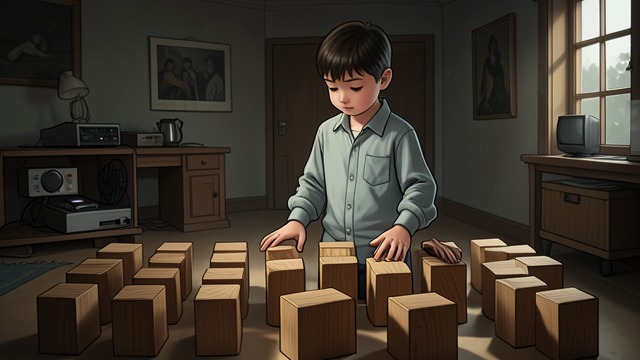
Thoughts Made Public
From letters to sentences
The grid allowed Naoki Higashida to assemble words into explanations, stories, and answers. It turned a fragile means of expression into sustained communication.
A claim to personhood
He presents the ability to share his thoughts as proof that he exists as a human being in the world. Communication changes not only what others can know about him but also how he can understand himself.
A Voice Across Languages

A Voice Across Languages
A young author
Naoki Higashida wrote the questions and answers as a teenager, drawing on his own experience to explain behaviors that others might misread. His book carried that first-person account beyond its original audience.
Reaching readers
David Mitchell and his wife brought the work into English, where it helped them reconsider their relationship with their autistic son. Naoki's written voice thus becomes a bridge between people whose communication has often failed.
early childhood
during childhood, before independent writing
after supported writing began
after gaining access to written communication
by the book's publication and English translation
